
Remove Emoji from Photos Online
Upload a photo and remove emoji from photos without installing an editor. The tool works on face emoji used to cover a person, reaction icons dropped onto a scene, and small emoji stamps added by an app.
Brush the emoji you want gone, let AI rebuild the picture underneath, and preview the cleaned photo before you download it. This ai emoji remover uses inpainting rather than a hidden layer trick: it studies the pixels bordering your brush stroke and generates new pixels that continue that pattern, which is why an emoji over open sky clears faster than one sitting on a detailed, patterned surface.
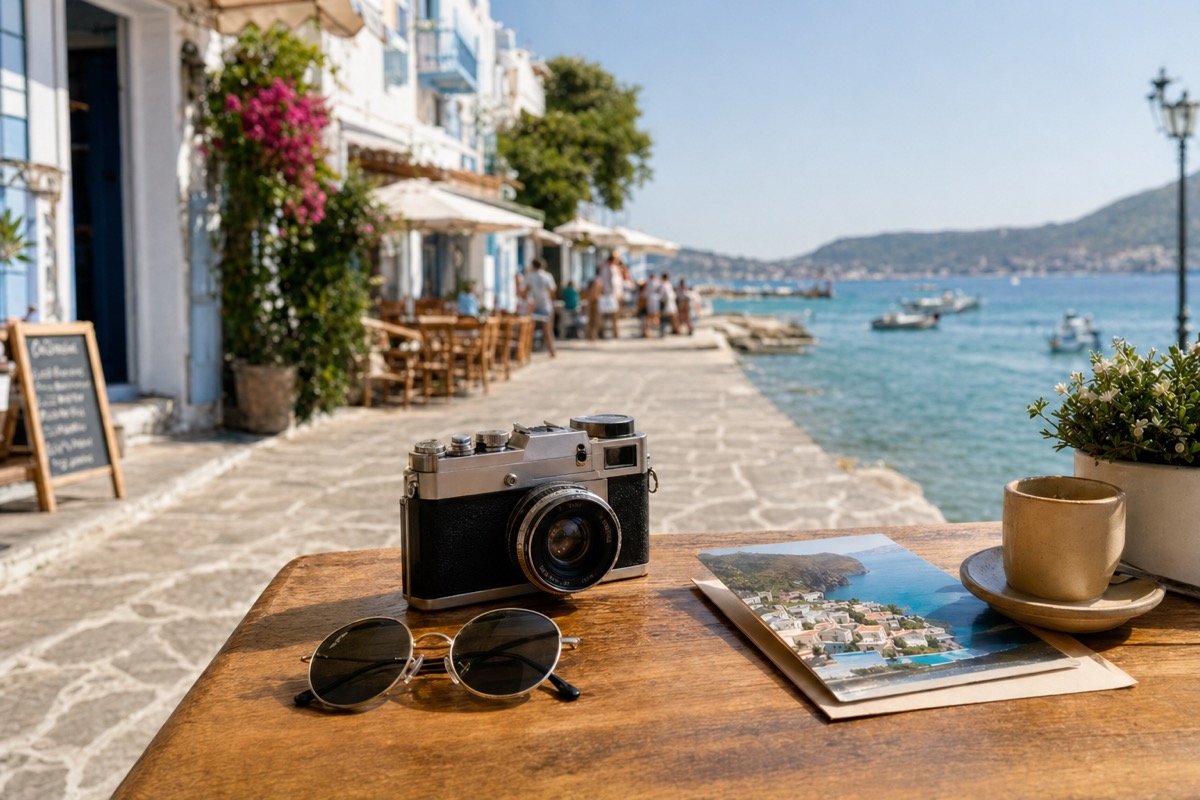
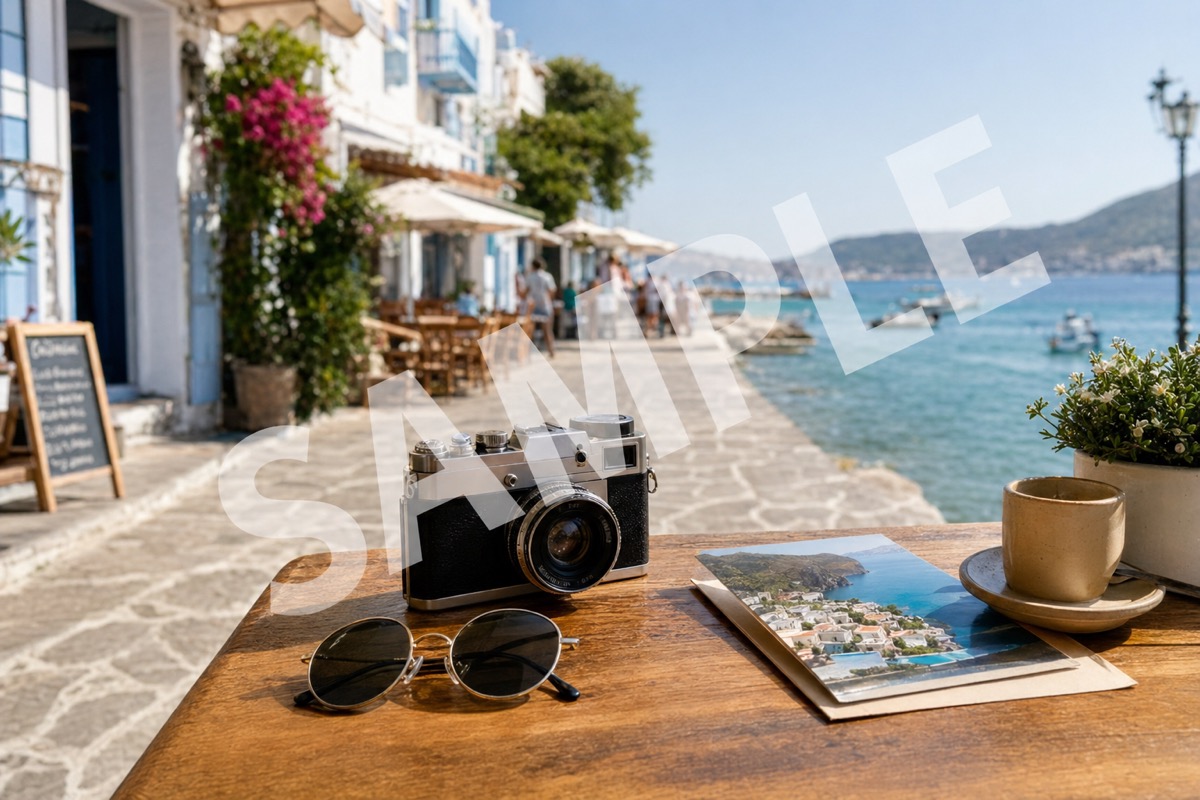
Supported formats: png jpg jpeg webp bmp
Where emoji usually get added to a photo
Reaction emoji on group photos
A laughing or heart emoji dropped onto a saved photo often sits over sky, wall, or clothing. Those areas rebuild cleanly because the surrounding texture is easy to continue.
Face-covering emoji
An emoji placed over a face to hide identity clears into a rebuilt area, not the original face. Use this when you simply want the emoji gone rather than the identity restored.
App-added emoji stamps
Some messaging and editing apps drop a small emoji stamp automatically. These sit as a flat shape over the frame, which is a fast case for the model to rebuild.
Emoji reaction bars from chat exports
Screenshots exported from chat apps sometimes carry a row of reaction emoji at the edge of the photo. Brush the row out to leave a clean image behind it.
How to remove an emoji from a photo in three steps
The whole flow runs in the browser, so there is nothing to install and no project file to manage.
Upload your image
Choose a JPG, PNG, or WEBP file from your computer or phone. The preview opens at full resolution so you can see exactly where the emoji sits before you touch anything.
Brush the emoji
Paint over the emoji or reaction icon you want gone. Keep the selection tight: a brush that spills far into surrounding detail gives the model more to invent.
Preview and download
AI rebuilds the selected pixels from the picture around it. Check the result at full size, brush again if a trace remains, then download the cleaned photo.
Before and after examples
Use these before and after pairs to judge the exact cleanup area: emoji on open background, emoji near people, and emoji reactions inside screenshots.
Reaction emoji sitting over sky, pavement, and architecture. The rebuilt area continues the surrounding texture without changing the person in the photo.

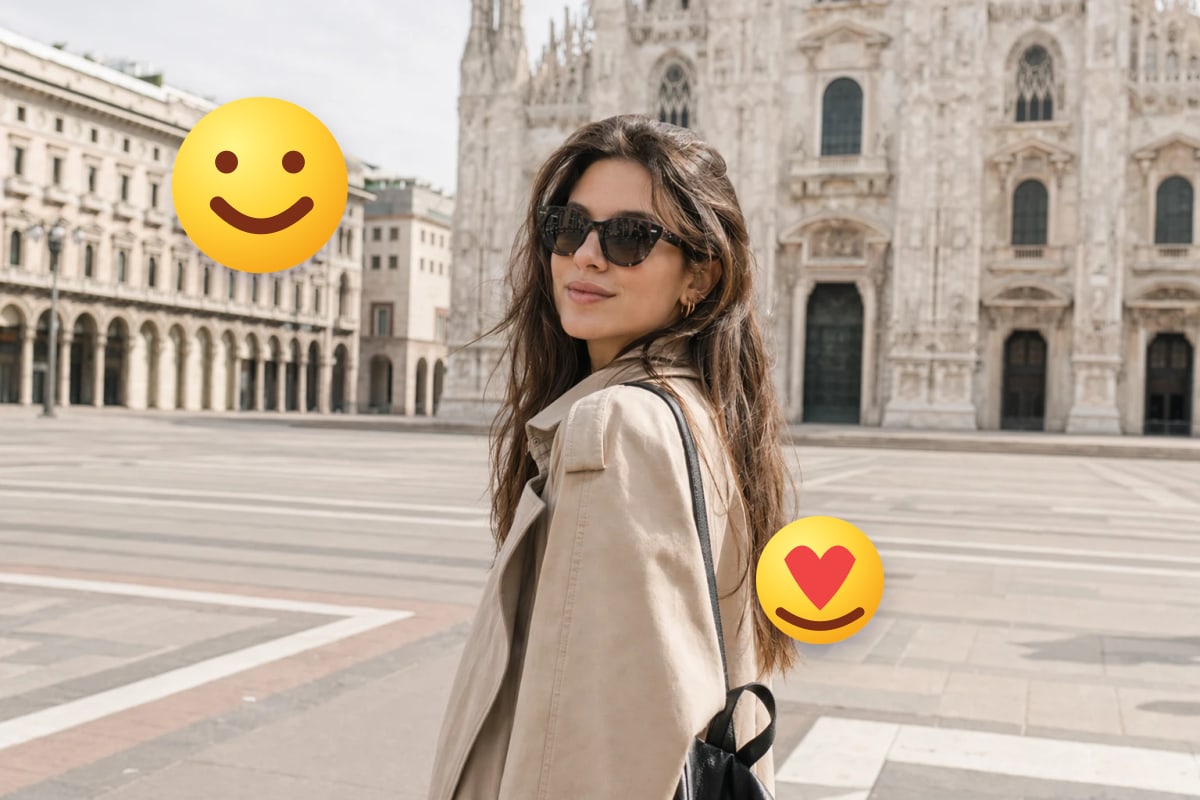
Emoji placed near the subjects rather than over their faces. Brush only the icons so the photo keeps the people and background intact.
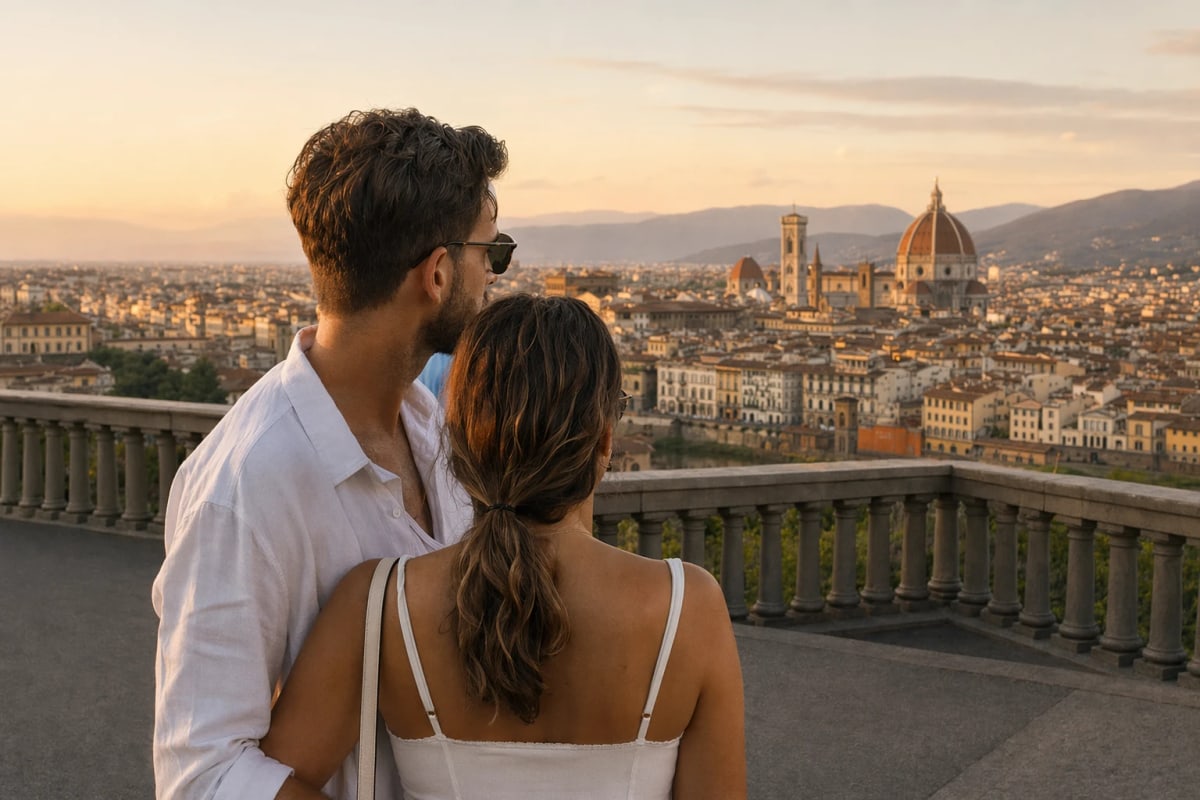
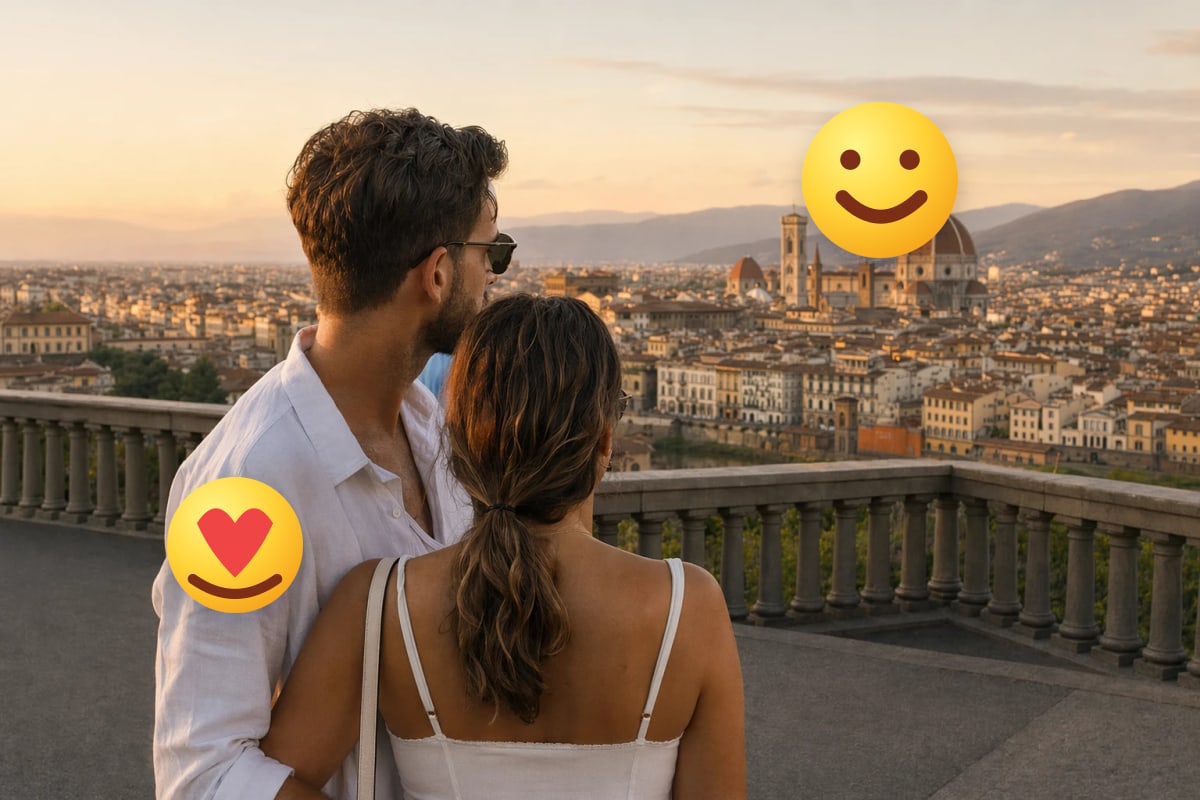
Small emoji reactions on a screenshot edge. Isolated icons like this clear quickly when they do not cover important text or UI detail.


What this tool does not do well
Restoring a face hidden by an emoji
Removing a face-covering emoji fills the space with a plausible rebuilt area, not the original face. It cannot recover identity the emoji was hiding.
Dense emoji collages
A photo covered edge to edge with many overlapping emoji leaves little clean surface to sample from. Isolated emoji clear far better than dense collages.
Emoji hiding text you still need
The tool erases rather than edits. It cannot recover a caption, a price, or a name the emoji was covering.
Content you do not own
Removing an emoji does not transfer rights over the photo. Use this only on your own files or where you have permission from the owner.
Questions about emoji removal
Practical answers about formats, cost, and quality for this ai emoji remover.
Clean a photo now, or explore other tools
Stay here to remove emoji, or open the sticker remover for a broader overlay. You can also compare every editing entry point in one place.